


Dump truck weight limits vary by state, and for contractors operating across multiple regions, understanding those limits is critical in 2026. While manufacturers assign standardized GVWR ratings and axle configurations, legal operating weight is governed at the state level and enforced differently depending on road type, season, and local infrastructure.
Noncompliance can lead to fines, forced load reductions, and downtime that directly impact project timelines and profitability. This guide explains how dump truck weight limits work, highlights high priority states, calls out special regulatory exceptions, and outlines how weight compliance affects fleet planning and financing decisions.
Read Our Complete Dump Truck Guide
How Dump Truck Weight Limits Are Determined
Dump truck weight limits are primarily based on gross vehicle weight rating, axle count, axle spacing, and the classification of the roadway being used. Most states rely on the federal bridge formula as a baseline, but many impose stricter limits to protect local roads and bridges. Some states also apply seasonal reductions or route specific caps that override standard limits.
For contractors, this means a dump truck that is legal in one state may be overweight in another, even with the same load and configuration. Understanding how your fleet is set up is just as important as knowing manufacturer capacity ratings.
High Priority States With Heavy Enforcement

California
California enforces some of the strictest weight rules in the country. Axle limits and bridge formulas are monitored closely, and penalties increase rapidly with repeated violations. Urban corridors often have lower tolerances than state highways.
Visit California DOT for detailed information.
Texas
Texas allows higher gross weights on designated roadways and is generally more flexible for construction hauling. However, overweight permits are tightly controlled and enforcement varies by county and municipality.
Visit Texas DMV to review current rules and procedures.
Florida
Florida maintains moderate weight limits but enforces them consistently, particularly in metropolitan and coastal areas. Axle spacing is closely reviewed during inspections.
Learn more from Florida DOT about weight limits and consistent enforcement in metropolitan and coastal areas.
New York
New York applies conservative limits with aggressive enforcement, especially around major cities. Local road restrictions frequently supersede state highway allowances.
Review New York DOT guidance on conservative limits, local road restrictions, and city-level enforcement.
Illinois
Illinois follows federal standards closely but strictly enforces axle limits. Bridge postings play a significant role in determining legal routes.
Reference Illinois DOT standards for axle limits, bridge postings, and approved hauling routes.
Pennsylvania
Pennsylvania is known for strict enforcement and limited tolerance for overages. Contractors operating heavy loads must carefully plan routes in advance.
Consult Pennsylvania DOT for strict weight enforcement rules and route planning considerations for heavy loads.
Ohio
Ohio applies standard federal limits but increases enforcement during peak construction seasons.
Check Ohio DOT regulations on federal weight limits and seasonal enforcement periods.
Georgia
Georgia allows competitive limits for construction hauling but requires permits for heavier configurations.
See Georgia DOT requirements for construction hauling limits and permit thresholds.
North Carolina
North Carolina enforces axle weights carefully and applies seasonal restrictions on certain roads.
Explore North Carolina DOT policies on axle weight enforcement and seasonal road restrictions.
Special Mention States With Unique Rules or Exceptions
Some states stand out due to unusual or highly specific weight regulations that often catch contractors off guard.
Michigan
Michigan allows higher gross weights when specific axle spacing requirements are met. This can be advantageous for high capacity hauling but requires precise configuration to remain legal.
Learn how Michigan DOT applies higher gross weight allowances when axle spacing requirements are met.
Oregon
Oregon uses a weight mile tax system, meaning heavier trucks not only face compliance issues but also higher operating costs tied directly to mileage and weight.
Understand Oregon DOT rules on the weight mile tax system and how weight and mileage affect operating costs.
Washington
Washington applies seasonal road restrictions that reduce allowable weights during certain months, particularly in rural and mountain areas.
Review Washington DOT guidance on seasonal road restrictions and reduced weight limits in rural and mountain regions.
Colorado
Colorado enforces lower limits on mountain corridors and bridges, making some configurations legal elsewhere illegal within the state.
Check Colorado DOT requirements for mountain corridors, bridge limits, and restricted configurations.
Arizona
Arizona Allows higher weights on certain routes but enforces permit compliance aggressively.
See Arizona DOT policies on higher allowable weights and strict permit enforcement on designated routes.
Minnesota
Minnesota applies seasonal frost laws that temporarily reduce legal weights during thaw periods.
Explore Minnesota DOT information on seasonal frost laws and temporary weight reductions during thaw periods.
Wisconsin
Wisconsin enforces axle limits strictly and issues fines quickly for minor overages.
Reference Wisconsin DOT standards for strict axle enforcement and penalties for minor overages.
Operating Nationwide Without Covering All 50 States Individually
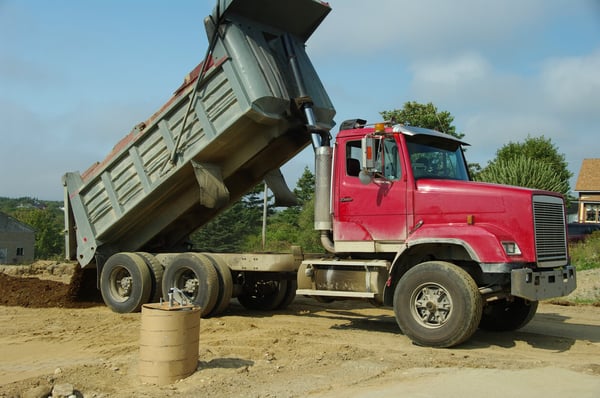
For contractors serving multiple states, it is not practical to memorize individual regulations for all fifty states. Instead, successful fleets operate by understanding baseline federal limits, identifying high risk states, and planning routes and loads accordingly. Most compliance issues arise from operating in a small group of high enforcement states rather than nationwide.
This approach allows contractors to remain compliant without overcomplicating fleet operations or publishing state by state regulatory breakdowns that quickly become outdated.
Why Weight Compliance Matters for Dump Truck Financing
Weight compliance directly impacts equipment financing decisions. Lenders evaluate truck specifications, axle configurations, and intended operating regions when approving financing. Trucks that are consistently operated outside legal limits may face reduced resale value, higher insurance scrutiny, and limited financing flexibility.
Financing compliant equipment helps contractors preserve cash flow while building equity in assets that retain value over time. Ownership also allows contractors to leverage depreciation and interest deductions as part of long term tax planning.
Learn how dump truck financing supports compliant fleet growth
Permits and Overweight Operations
When loads exceed standard legal limits, most states require permits that are route specific, time limited, or job specific. Permit requirements vary widely and may change seasonally. Contractors hauling heavy materials regularly should account for permit costs, administrative time, and potential routing restrictions when bidding projects.
Failure to secure proper permits often results in delays that cost more than the permit itself.
Talk with a financing specialist about equipment and permit planning
Conclusion
Dump truck weight limits in 2026 are shaped by state level regulations, infrastructure conditions, and enforcement priorities. Contractors who understand where rules differ and how compliance affects operations are better positioned to avoid fines, reduce downtime, and protect profitability. By pairing compliant dump truck configurations with smart financing strategies, contractors can grow their fleets confidently while maintaining operational flexibility across state lines
Get pre qualified for dump truck financing built for contractors

FAQ
-
What are dump truck weight limits in the United States in 2026?
-
Why do dump truck weight limits vary by state?
-
What is the federal gross vehicle weight limit for dump trucks?
-
How do axle weight limits affect dump truck hauling capacity?
-
What are common single axle and tandem axle weight limits?
-
Do some states allow dump trucks to exceed 80,000 pounds legally?
-
How do bridge formula rules impact dump truck legal weight?
-
Are dump truck weight limits different in California compared to other states?
-
Do Texas and Florida have different dump truck weight rules?
-
What is an overweight permit and when is it required?
-
How can contractors find accurate dump truck weight limits for their state?
-
What happens if a dump truck exceeds legal weight limits?
-
Are weight limits different on local roads versus interstate highways?
-
Do seasonal weight restrictions affect dump truck operations?
-
How do weight limits affect construction fleet planning and hauling efficiency?
-
Can dump truck weight limits influence equipment financing decisions?
-
What is the biggest compliance mistake contractors make with dump truck weight laws?