
Excavators are essential machines in construction, mining, and large earthmoving projects. Their power, versatility, and precision make them a core part of every contractor’s fleet. Over time, excavators have evolved from early steam-powered machines into advanced hydraulic equipment with better fuel efficiency, smarter technology, and improved operator comfort.
Leading brands such as Caterpillar, Komatsu, John Deere, Volvo, Hitachi, Kubota, and Bobcat now produce specialized models built for different terrains, job sizes, and performance needs.
Understanding each type of excavator and the history behind these designs helps buyers choose equipment that supports long-term productivity. The sections below break down the major categories, their origins, features, and where they deliver the most value on today’s jobsites.
Learn more on Heavy Iron Capital
Crawler Excavators
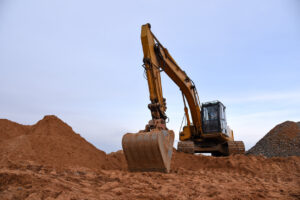
Crawler excavators are the most common machines found on construction sites and in mining operations. They run on steel tracks, which provides stability and strong traction on uneven, muddy, or sloped ground.
Crawlers first became popular in the early twentieth century as tracked steam shovels evolved into modern hydraulic machines. Today, well-known models such as the Caterpillar 320, Komatsu PC210, and Volvo EC220E deliver dependable digging power and precise control.
Crawler Excavator Highlights:
- Ideal for rough, muddy, soft, or sloped terrain.
- Horsepower ranges from about 100 to over 500 depending on size.
- Excellent for heavy digging, demolition, and large earthmoving work.
Modern crawler excavators often include upgraded hydraulics, grade-control technology, and comfortable cabs. These features help contractors complete more work with less fuel and reduced operator fatigue.
Wheeled Excavators
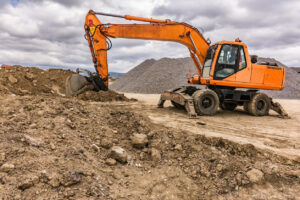
Wheeled excavators operate much like crawler models but use rubber tires instead of tracks. This design makes them faster and easier to move on paved surfaces. They are popular in cities, street work, and utility projects where mobility is a major advantage.
After gaining popularity in Europe, wheeled excavators are now more common in North America thanks to stronger hydraulics and better ride control.
Top manufacturers, including Doosan/Develon, Liebherr, Volvo, and John Deere, build wheeled models well suited for city projects and utility work.
Wheeled Excavator Advantages:
- Travel between jobsites without needing a trailer.
- Faster cycle times for trenching, loading, and road maintenance.
- Cause less surface damage compared to tracked machines.
Because they pair well with attachments like hydraulic breakers, grapples, and augers, wheeled excavators offer flexibility for contractors handling a mix of tasks in commercial and street environments.
Mini and Compact Excavators
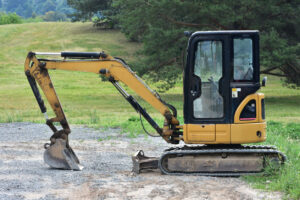
Mini or compact excavators are built for tight spaces, indoor work, and small-scale construction. They are easy to transport, lightweight, and highly efficient. These machines became popular in the 1980s when contractors needed smaller alternatives for residential and confined-space work. Today, brands like Bobcat, Kubota, Takeuchi, and John Deere lead the compact excavator market.
Mini Excavator Key Traits:
- Operating weights range from about 1 to 10 tons.
- Great for trenching, grading, landscaping, and small demolition.
- Lower operating cost and easier transport than larger machines.
Despite their size, compact excavators now include advanced hydraulics, multiple work modes, and high-quality control systems. They are an affordable entry point for new business owners and a staple for many construction companies.
Long Reach Excavators
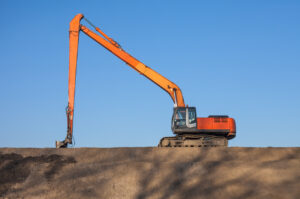
Long reach excavators are designed with extended booms and arms that allow them to dig at greater horizontal and vertical distances. Many long-reach booms extend over 60 feet. Contractors use these machines for dredging, levee work, deep trenching, and specialized cleanup jobs.
Early versions were custom modifications of standard excavators, but brands like Komatsu, Hitachi, Volvo, and Caterpillar now produce factory-engineered long reach units.
Long Reach Benefits:
- Extended dig depth for dredging and deep excavation.
- Reinforced undercarriage and counterweights for stability.
- Ideal for slope shaping, river work, and long-distance digging.
With the right bucket or attachment, long reach excavators can perform tasks that standard models cannot reach safely.
Suction and Vacuum Excavators
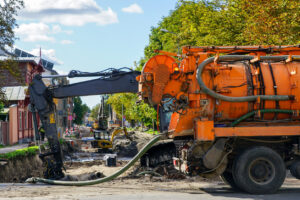
Suction excavators use high-powered airflow to remove soil, debris, or material without damaging underground utilities. They are crucial for modern utility construction where gas lines, fiber optics, and water systems must be exposed safely. This method reduces the risk of strikes and keeps repair costs low.
Brands such as Vac-Con, Vermeer, and Ditch Witch manufacture trusted vacuum excavators for municipal and utility projects.
Suction Excavator Highlights:
- Safely exposes buried utilities without damage.
- Reduces repair and backfill costs.
- Ideal for utility lines, tight urban areas, and daylighting work.
These machines are standard equipment on many civil engineering and municipal projects because they prevent costly underground accidents.
Amphibious Excavators
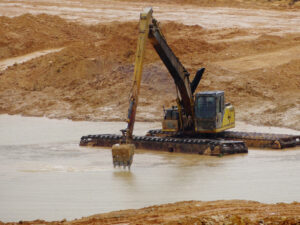
Amphibious excavators are engineered for wetlands, swamps, and shallow waterways. Instead of a standard undercarriage, they use pontoons that allow them to float and move through water while digging. They are often used for environmental restoration, coastal work, and flood-control projects.
Manufacturers such as Bell, Doosan, and specialized amphibious builders offer stable, corrosion-resistant models for challenging environments.
Amphibious Excavator Advantages:
- Designed to float and operate in shallow water.
- Excellent for dredging, levee repair, and marsh construction.
- Built with corrosion-resistant materials for long-term durability.
Their unique mobility makes them essential for jobsites that standard machines cannot access safely.
Excavator Specifications and Features
Before buying or financing an excavator, it helps to understand the specifications that influence performance and cost. These details determine how well a machine handles digging, lifting, trenching, and hydraulic power.
Important Specifications to Evaluate:
- Horsepower ranges from about 15 HP on compact models to over 600 HP on large mining units.
- Dig depth varies from around 8 feet on minis to over 30 feet on full-sized excavators.
- Hydraulic flow determines how quickly the boom, stick, and attachments operate.
Top manufacturers such as Caterpillar, Volvo Construction Equipment, Komatsu, Hitachi, and John Deere continue to advance smart hydraulic systems, telematics, and automated safety features. These upgrades help reduce fuel use, track machine performance, and extend equipment life.
Excavator Financing with Heavy Iron Capital
Financing an excavator is often the most strategic choice for contractors who want to grow without draining cash reserves. Financing lets you expand your fleet while keeping your business flexible.
Benefits of Financing Through Heavy Iron Capital:
- Fast approvals and quick funding for qualified buyers.
- Loan structures designed specifically for heavy equipment and construction businesses.
- Clear terms and personal support from dedicated equipment-finance specialists.
Heavy Iron Capital works with owners across the country to finance new and used excavators from major brands like Caterpillar, Komatsu, John Deere, Hitachi, and Bobcat. The process is built for contractors who need fast turnaround from application to equipment delivery.
Conclusion
Excavators play a central role in construction, mining, utility work, and countless other industries. From compact models designed for small spaces to long reach, amphibious, and high-powered crawler units, each type serves a specific purpose and offers unique strengths. Understanding these categories helps contractors choose the equipment that best fits their project needs, terrain, and long-term goals.
When you are ready to buy an excavator, Heavy Iron Capital makes the financing process simple. With quick approvals, flexible terms, and support from industry experts, we help you secure the right machine without delays. Apply today and move confidently toward your next project with reliable, high-quality equipment
Excavator FAQ
-
What is an excavator and what is it used for in construction?
-
What are the main types of excavators used in 2026?
-
What is the difference between a crawler excavator and a wheeled excavator?
-
What is a mini excavator used for?
-
What is a long reach excavator and when is it needed?
-
What excavator size is best for contractors and fleet owners?
-
How do contractors choose the right excavator for a job site?
-
What are the most common excavator attachments and what do they do?
-
Are excavators used differently in different regions like California or Texas?
-
How does excavator class and operating weight affect performance?
-
What is the difference between standard excavators and specialty demolition excavators?
-
How does excavator financing help contractors grow their fleet in 2026?
-
What should contractors look for when buying a used excavator?
-
What are the most common excavator jobs in construction fleets?
-
How can contractors maximize excavator productivity and return on investment?
-
What is the biggest mistake contractors make when choosing an excavator type?