
Making Smart Excavator Choices
Choosing the right excavator has a big impact on how efficiently your project runs. The right machine helps your crew work faster, safer, and with better cost control.
This guide gives you reliable comparisons, trusted excavator manufacturers, and clear tips for simple excavator financing, maintenance, and productivity.
If you're adding to your fleet or just getting started, it's important to know your options. We'll break down everything you need to make an informed purchase, so you can equip your team with confidence and keep your business moving.
Quick Navigation
-
- Excavator Components That Boost Productivity
- Top Brands for Reliability and Value
- Safety Practices for Everyday Operation
- Excavator Types for Every Application
- Buying Checklist for Contractors
- Hydraulic System Basics and Troubleshooting
- Maintenance Habits that Maximize Uptime
- Simple Financing to Get You Started
Excavator Components That Boost Productivity
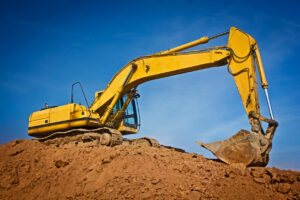
What is an excavator? A well-designed excavator is built for efficiency and versatility in demanding working environments.
Each key component plays a specific role to help you complete projects on time and with less hassle. Understanding these parts will help you get the most from your investment
Upper Structure: Houses the engine, controls, and main hydraulic system; rotates 360 degrees for flexible operation.-
-
- Undercarriage: Made of tracks or wheels; provides stability on various construction sites.
- Boom, Arm, and Bucket: Core digging system; handles trenching, lifting, material handling, and site cleanup.
- Hydraulic Cylinders: Deliver the lifting and digging power behind every movement.
- Quick Couplers: Allow fast excavator attachment changes, making the machine more adaptable for a wide range of jobs.
- Modern Engines and Equipment Tracking: Support maintenance schedules, productivity, and service, and real-time performance monitoring.
-
By learning about these excavator parts, you can choose machines that meet your project needs. This helps you avoid downtime. This knowledge also empowers your team to use equipment more effectively day-to-day.
Top Brands For-Reliability and Value
Choosing the right brand can make a real difference in your day-to-day productivity and long-term operating costs.
Leading excavator manufacturers compete on reliability, durable equipment, fuel efficiency, and operator support to help you minimize downtime and keep projects on track.
Trusted Excavator Manufacturers
-
-
- Caterpillar: Durable equipment with a strong dealer network and reliable support.
- Komatsu: Advanced hydraulic systems and impressive fuel efficiency for demanding jobs.
- John Deere: Well-known for machine durability and ease of use, especially for utility work.
- Hitachi: Efficient, user-friendly machines built for busy work sites.
- Volvo: Focuses on safety, operator comfort, and innovative features.
- Doosan/ Develon: Delivers strong performance at a competitive price.
- Kobelco: Noted for fuel savings and highly responsive controls, especially in compact excavators.
- Takeuchi: Specializes in compact excavators—ideal for tight spaces.
- SANY: Offers strong warranties and appealing cost savings.
-
Choosing from these trusted brands gives you reliable equipment, simple service, and features that help your team work better.
Read more on the best sites to buy online
Safety Practices for Everyday Operation
[embed]https://www.youtube.com/watch?v=0bAw7J7gHD0[/embed]
Safety is a top priority on any jobsite. Before starting work, take a moment to inspect your excavator and review your surroundings.
These simple steps help prevent accidents and keep both operators and bystanders safe.
Daily Checks and Worksite Tips
-
-
- Inspect tracks or wheels for proper tension and wear.
- Check pins, bushings, and attachments for looseness or signs of damage.
- Look for hydraulic system leaks and ensure all fluid levels are correct.
- Test cameras, mirrors, and warning alarms for reliable visibility.
- Stay aware of the machine’s swing radius, especially in tight spaces, and use a spotter if needed.
- Review lift charts before lifting and always follow trench safety procedures.
-
Consistent attention to these safety checks can help you avoid unnecessary downtime and repairs. Building these habits into your daily routine supports a safer, more efficient jobsite.
Excavator Types for Every Application
Excavators come in many types and sizes to handle every job you encounter. Choosing the right machine saves time and avoids expensive mistakes.
This is important when you work in tight spaces or lift heavy materials. Here’s a breakdown of common excavator types and tasks they’re best suited for:
-
-
- Crawler Excavators: Stable and reliable for uneven or soft ground.
- Wheeled Excavators: Efficient for travel over paved surfaces or between construction sites.
- Mini or Compact Excavators: Designed for tight spaces and light, precise work.
- Long Reach Excavators: Ideal for deep digging, digging holes, demolition, or work over water.
- Zero or Short Tail Swing Models: Safer in confined areas or near obstacles.
-
Selecting the right type of excavator helps your crew work safely and efficiently from day one. Assess your most common job sites and project needs to make a smart investment that keeps your business running smoothly.
Click here for more on excavator types and uses.
Buying Checklist for Contractors
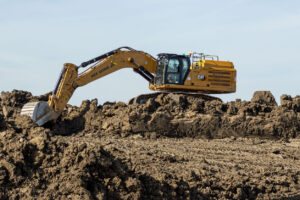
Choosing the right excavator is about more than just finding a good price. Taking the time to inspect each machine and verify key details will help you avoid costly problems and downtime.
Use This Checklist to Make Your Purchase Process Straightforward and Reliable.
-
-
- Gather maintenance and service records to understand the machine’s history.
- Check how many hours the excavator has been used and what types of jobs it performed.
- Inspect the undercarriage and all excavator attachments for signs of wear or damage.
- Review any diagnostic or telematics reports the seller can provide.
- Make sure your chosen attachments fit both your machine and your hauling setup.
-
A careful inspection up front protects your investment and keeps your projects on track.
Click here to apply for Excavator Financing, no hard credit checks.
Hydraulic System Basics and Troubleshooting
A well-maintained hydraulic system keeps your excavator running smoothly and prevents unexpected downtime.
Before you get started, it's important to know the basics and understand what issues to watch for. Taking a proactive approach saves you time and repair costs.
-
-
- Check fluid levels regularly, and replace filters as scheduled.
- Inspect hydraulic cylinders, lines, and connections for leaks or visible wear.
- Monitor for slow cycling, strange noises, or vibrations, which may indicate a problem.
- Maintain system cleanliness by keeping the radiator clear and removing any debris.
- Address any signs of overheating promptly by cooling the system and checking coolant levels.
-
Staying attentive to your hydraulic system ensures reliable operation day after day. With routine checks and quick troubleshooting, you’ll minimize disruptions and keep your projects moving forward.
Maintenance Habits That Maximize Uptime
Consistent care is key to getting the most from your excavator. Simple, regular habits not only prevent unexpected breakdowns but also keep your machine running efficiently.
Essential Steps to Include in Your Routine:
-
-
- Grease all joints and pivots daily to avoid unnecessary wear.
- Change filters and fluids on schedule to keep systems running clean.
- Check tracks or tires for proper tension and fix any issues quickly.
- Clean radiators and coolers regularly to prevent overheating.
- Track performance using equipment tracking tools for real-time data and service alerts.
- Store equipment in a covered spot during the off-season or when not in use.
-
Setting aside a few minutes each day for maintenance can save you time and money in the long run.
By following these best practices, you can keep your excavator ready when you need it. This will help maximize uptime on every project.
Simple Financing to Get You Started
Finding the right excavator for your business should be easy. Understanding your choices and following simple steps can help you get excavator financing quickly. This lets you focus on your projects.
-
-
- Decide if you want to lease or get a loan; options exist for both new and used machines.
- Most lenders just need your business info, equipment specs, and a short application.
- Streamlined financing lets you get your equipment fast, so every opportunity turns into progress.
-
Dependable excavator financing empowers you, offering the freedom to grow or enhance your equipment as your requirements evolve.
If you want to grow your fleet or check your options, contact us anytime for a custom quote or more information.
For contractors expanding their fleet, see our Dump Trucks: Your Complete Guide to Types, Uses & Financing
Frequently Asked Questions FAQ
-
What is an excavator and how is it used in construction?
-
What are the different types of excavators contractors should know?
-
How do crawler and wheeled excavators differ for job site use?
-
What size excavator should a contractor choose for a given project?
-
What are the most common excavator attachments and what do they do?
-
How do excavators impact productivity and operating cost on construction fleets?
-
What should contractors look for when buying a used excavator?
-
How do regional emissions and compliance rules affect excavator selection?
-
Can contractors finance excavators and how does financing affect purchase decisions?
-
What maintenance practices help extend excavator life and prevent downtime?
-
How do contractor needs for excavators differ by region or job type?
-
What safety considerations should contractors follow when operating excavators?
-
How do excavation depth and reach requirements influence excavator choice?
-
What is the biggest mistake contractors make when choosing excavators?
-
How can contractors assess total cost of ownership for excavators?
-
What excavator brands consistently deliver value and performance in the U.S. market?
-
How can contractors improve excavator utilization across multiple job sites?