
Understanding Excavators in Construction
Whether you encounter them at a highway construction zone, a residential development, or a mining site, excavators play a crucial role in transforming the contemporary landscape. For business owners, contractors, and equipment operators, grasping the functions of an excavator, its operational mechanics, and selecting the most suitable type for your needs is essential for enhancing productivity and investment returns.
A Brief History of Excavators
The first excavators date back to the late 1800s when early steam-powered models began to replace manual shoveling on major infrastructure projects. These “steam shovels” helped build railroads and canals long before diesel engines existed.
Over time, advances in hydraulics, steel design, and operator comfort transformed the machine into what we now recognize as a modern excavator. By the 1960s, hydraulic excavators dominated the industry, offering unmatched precision, speed, and power.
Today’s models feature GPS guidance, advanced telematics, and hybrid systems that optimize fuel efficiency without sacrificing digging force. The evolution from cable-driven booms to fully electronic hydraulic systems reflects how far the construction world has come, and how essential these machines remain in every major project.
Main Types of Excavators and Their Uses
Excavators come in several specialized forms, each engineered to perform specific types of work and to suit various terrain conditions. Choosing the right one directly impacts productivity, cost-efficiency, and long-term machine value.
Read more: See our Complete Guide for Excavators
Crawler Excavators
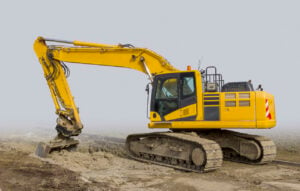
Crawler excavators are the most common type. They use steel or rubber tracks for movement instead of wheels for exceptional stability and traction. They are ideal on uneven or muddy ground, making them great for heavy-duty projects like mining, grading, and foundation excavation. They are built to handle tough terrain and are known for their ability to lift and move large loads.
- Designed for stability and balance on soft or sloped terrain
- Ideal for mining, site development, and foundation work
- Known for powerful performance and long-term durability
Learn about crawler excavators and how they can transform your construction site with real power.
Wheeled Excavators
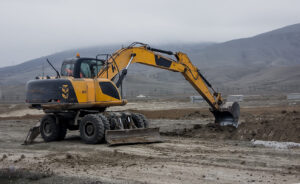
Wheeled excavators are built for speed, versatility, and mobility. They perform best on hard, flat surfaces like concrete or asphalt and are commonly used in urban construction, utilities, and roadwork. Their wheeled design allows for faster travel between sites. This helps in reducing downtime and transportation costs. Wheeled excavators also feature higher cab visibility and easier maneuverability in tight spaces. They are an excellent choice for projects that require frequent movement or road-safe transport.
- Operates efficiently on paved or firm ground
- Easy to relocate between job sites without additional equipment
- Best suited for utility, street, and urban development work
Read more about wheeled excavators.
Mini Excavators
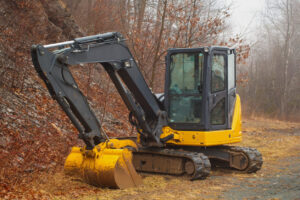
Mini excavators, also known as compact excavators, are smaller in size but still highly capable machines. They are designed for precision work in sensitive environments such as residential areas, landscaping projects, or utility trenching. Their lightweight design reduces ground damage and allows for easy towing. They earned their place as a favorite among small contractors and property developers.
- Ideal for tight spaces and light to medium tasks
- Easy to transport and operate
- Efficient fuel use and lower operating costs
Learn more about mini excavators.
Long-Reach and Specialized Excavators
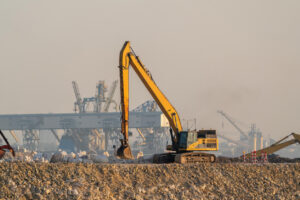
Long-reach excavators are designed with extended booms and arms that allow for deep digging and long-distance material handling. They are perfect for projects involving riverbanks, slopes, or demolition where extra reach is required. Other specialized excavators include models for water environments. There are also high-reach versions built for tearing down multi-story structures.
- Built for deep or distant excavation and controlled precision work
- Handles heavy attachments such as hammers, shears, or dredging tools
- Ideal for specialized projects like dredging, slope work, and demolition
Click here for more info on long reach excavators.
Key Excavator Specifications to Consider
Understanding the specifications of an excavator helps you choose the right model for your project. Read more to ensure you are getting the best balance of performance, cost, and efficiency. Important specifications include operating weight, engine horsepower, dig depth, reach, and hydraulic capacity. These measurements tell how much material can be handled, how efficiently the machine operates, and what attachments it can support.
- Operating weight affects lifting strength and stability
- Dig depth and reach define the scope of excavation and site coverage
- Hydraulic flow determines the power available for attachments
Mini excavators generally feature engines up to 70 horsepower and dig depths around 13 feet. Large crawler excavators can exceed 500 horsepower and dig more than 30 feet deep. Models such as the Caterpillar 349, Komatsu PC490, and John Deere 470G LC remain top choices among contractors. They balance performance, reliability, and resale value.
Common Excavator Applications
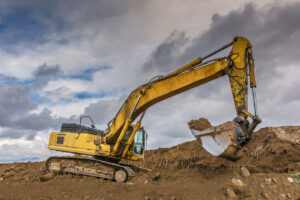
Excavators are indispensable in construction and heavy industry. Their versatility allows one machine to handle multiple tasks on the same site. This greatly improves project timelines and efficiency. From large-scale commercial developments to municipal infrastructure work, excavators are the backbone of productive operations.
- Foundation digging, trenching, and backfilling
- Site preparation and land clearing
- Demolition, grading, and material handling
Beyond basic digging, excavators can be equipped with various attachments like hydraulic hammers, augers, compactors, and thumbs. These attachments expand functionality, allowing contractors to adapt their equipment to changing project needs. A pro is avoiding the need to invest in separate machinery.
Read More about top Excavator brands to choose from.
How to Buy an Excavator Online
The shift toward digital equipment marketplaces has made purchasing an excavator online more accessible and transparent. Buyers can now browse thousands of listings, compare specifications, and review inspection details all from one place. However, to ensure a safe and valuable purchase, it’s important to only shop through trusted, verified sellers that provide clear service histories and photos.
- Review the machine’s operating hours and maintenance records
- Inspect undercarriage, tracks, and hydraulic systems closely
- Confirm dig depth, reach, and condition match listing details
Avoid auction sites or listings that promote third-party financing or unclear payment structures. Heavy Iron Capital offers dedicated heavy equipment financing tailored to contractors and business owners, so you can choose the right excavator. Keep ownership and decision-making entirely in your hands.
Learn more: see our post on Where to Buy Excavators Online
Financing Your Excavator with Heavy Iron Capital
Heavy Iron Capital provides financing solutions built specifically for heavy equipment owners and operators. Whether purchasing new or used excavators, our programs are designed to be fast, flexible, and transparent. Prequalification requires no hard credit check, and approvals often happen the same day.
- Simple online application with fast response times
- Financing for both new and used heavy equipment
- Flexible terms that match your cash flow and business goals
Gain a partner that understands your industry and the realities of equipment ownership. Our focus is on helping your business grow through smart, accessible financing that keeps your projects running without unnecessary delays or surprise costs.
Start your financing application today and secure the equipment your business needs to grow.
Wrap Up
Excavators are the foundation of modern construction and earthmoving, combining unmatched power, reach, and adaptability. Whether you’re a small contractor or managing an expanding fleet, understanding the machine’s types, specifications, and uses is essential to making a smart investment. Choosing the right excavator and the right financing partner can define the success and profitability of your next project.
Heavy Iron Capital makes that process easy. We specialize in fast, reliable excavator financing designed for real-world contractors. Apply today to get pre-approved with no impact on your credit and take the next step toward owning the equipment that drives your business forward.
FAQ
-
What is an excavator and how is it used on construction sites in 2026?
-
What are the main types of excavators contractors use today?
-
How do crawler excavators differ from wheeled excavators?
-
What are the advantages of mini excavators for contractors?
-
When should a contractor choose a long reach excavator?
-
How do excavator size and operating weight affect job performance?
-
What attachments are most useful on excavators?
-
Which excavator brands are most trusted by U.S. contractors in 2026?
-
How do brand reputations affect excavator resale value?
-
Are some excavator brands better for specific applications or regions?
-
How do emissions standards in states like California affect excavator brand selection?
-
Can contractors finance excavators from major brands?
-
What should contractors look for when buying a used excavator from a major brand?
-
How do excavator brands differ in operator comfort and safety features?
-
What is the biggest mistake contractors make when choosing an excavator brand?
-
How can contractors compare excavator brands before purchasing?