
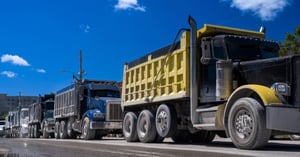
DOT compliance is a critical requirement for any construction fleet operating trucks, trailers, or heavy equipment in the United States. Understanding federal FMCSA regulations and state-specific rules, preparing for DOT inspections, and maintaining accurate compliance records helps reduce downtime, avoid costly fines, and protect your drivers, equipment, and company reputation.
This comprehensive guide breaks down the key DOT rules, inspection priorities, and best practices for contractors and fleet managers in 2026, including tips for local compliance in states like California, Texas, Florida, and New York.
What is DOT Compliance and Why It Matters
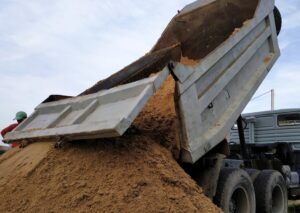
DOT compliance ensures that commercial vehicles, drivers, and cargo meet federal and state regulations. For construction fleets, following FMCSA rules and DOT safety standards is essential to operate legally, maintain insurance coverage, and avoid penalties.
Proper DOT compliance impacts all fleet operations, from heavy equipment transportation and dump truck hauling to excavator delivery and material hauling. Contractors and fleet managers who stay ahead of DOT inspections reduce operational risk, improve fleet efficiency, and maintain safe worksites.
Learn More, add to your fleet.
Key DOT Inspection Areas for Construction Fleets
Contractors should focus on several high-priority DOT inspection areas for trucks, trailers, and heavy construction equipment:
-
Brakes and Air Systems: Inspect service, parking, and emergency brakes, along with air reservoirs, lines, and ABS functionality. Properly maintained brakes are critical for road safety and DOT audit compliance.
-
Tires and Wheels: Verify tire pressure, tread depth, load ratings, and wheel alignment. Correct tire selection and maintenance prevent overweight citations and extend vehicle life.
-
Lighting and Signals: Ensure headlights, brake lights, turn signals, and marker lights are fully operational. DOT inspectors focus on lighting for night and low-visibility operations.
-
Cargo Securement: Use proper tie-downs, tarps, chains, and load distribution methods. FMCSA rules require securement for construction materials, equipment, and debris to prevent road hazards and fines.
-
Driver Logs and Hours of Service: Maintain accurate electronic or paper logs. Compliance with ELD mandates and FMCSA Hours of Service rules protects your drivers and prevents violations during DOT roadside inspections.
Read more, see our DOT Inspection checklist
2026 Regulatory Updates for Construction Fleets
DOT regulations are evolving, and contractors must stay current. Key updates in 2026 include:
-
Stricter enforcement of electronic logging devices (ELDs) and driver hours-of-service compliance.
-
Updated DOT inspection forms emphasizing brake systems, suspension integrity, and cargo securement.
-
Increased penalties for overloaded vehicles, unsecured cargo, and incomplete or missing documentation.
-
State-specific variations for fleet operations, including California, Texas, Florida, and New York, which may have additional inspection or permitting requirements for heavy construction equipment.
Upgrading equipment? Get a Quote Today
DOT Inspection Checklist for Construction Fleets
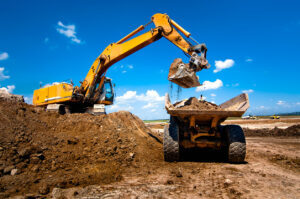
A practical DOT inspection checklist helps crews and fleet managers prepare for federal and state inspections:
-
Pre-trip inspection of brakes, steering, and lighting
-
Tire, wheel, and suspension review, including load rating verification
-
Hydraulic, hoist, and dump body inspection for safe operation
-
Verification of DOT documentation: registration, permits, driver logs, and insurance
-
Onboard safety equipment: fire extinguishers, warning triangles, and reflective markers
Common DOT Violations and How to Avoid Them
Frequent DOT violations for construction fleets include:
- Brake deficiencies
- Overloaded trucks
- Missing paperwork
- Unsecured loads
Avoiding these issues requires regular preventive maintenance, routine DOT pre-inspections, driver training on cargo securement and hours-of-service compliance, and use of technology such as telematics to monitor fleet health and safety.
Proper DOT compliance minimizes downtime, protects your drivers, and ensures smooth operations across your construction sites.
Actionable Steps for Construction Fleet Managers
-
Schedule and track preventive maintenance and DOT inspections regularly.
-
Utilize telematics, GPS tracking, and onboard scales to verify vehicle compliance.
-
Maintain organized maintenance logs, driver records, and DOT paperwork for audits.
-
Train drivers on FMCSA regulations, cargo securement, and hours-of-service rules.
-
Ensure heavy equipment, dump trucks, and trailers meet state-specific DOT and safety regulations.
Bottom Line
DOT compliance is essential for construction fleets to operate safely, legally, and efficiently in 2026. Understanding inspection priorities, maintaining documentation, and implementing preventive maintenance ensures fleets stay compliant with federal FMCSA regulations and state-specific rules in locations like California, Texas, Florida, and New York.
By consistently following DOT standards, contractors and fleet managers can protect their crews, reduce downtime, avoid costly penalties, and improve overall fleet performance across all job sites.

DOT FAQ
-
What does DOT compliance mean for construction fleets in 2026?
-
Why is DOT compliance important for construction fleets?
-
What are the key DOT rules construction fleets must follow?
-
How do hours of service rules affect drivers in a construction fleet?
-
What records do construction fleets need to maintain for DOT inspections?
-
What is a driver qualification file and why is it required?
-
How often should fleet vehicles be inspected for DOT compliance?
-
Do construction fleets have to follow weight and load rules on public roads?
-
What are common DOT violations construction fleets should avoid?
-
How can fleets in California align DOT compliance with state-specific rules?
-
What happens during a DOT roadside inspection?
-
How can construction fleet managers stay updated on changing compliance rules?
-
What is the best way to prepare for a DOT audit or investigation?