
Choosing between new vs used heavy equipment for contractors is one of the biggest financial decisions in construction. The right choice affects your cash flow, job capacity, and long-term profitability.
Whether you are expanding your fleet or buying your first machine, understanding the true cost, risks, and financing options will help you make the smartest investment in 2026.
See What You Qualify For Today
Table of Contents
- New vs Used Heavy Equipment for Contractors
- How New vs Used Heavy Equipment Decisions Vary by Region
- Pros of Buying New Heavy Equipment
- Pros of Buying Used Heavy Equipment
- Cost Breakdown: New vs Used Heavy Equipment for Contractors
- Financing New vs Used Heavy Equipment
- When Contractors Should Buy New vs Used Equipment
- Common Mistakes to Avoid
- How This Connects to Renting vs Buying
- New vs Used Heavy Equipment by Type
- External Considerations: Taxes and Financing Programs
- Conclusion: Choosing the Right Investment Strategy
New vs Used Heavy Equipment for Contractors
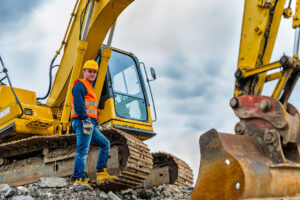
What’s the Difference? When comparing new vs used heavy equipment for contractors, the main differences come down to cost, condition, and long-term value.
Main Differences
- New equipment comes directly from the manufacturer with zero hours, full warranties, and the latest technology
- Used equipment has prior usage but comes at a significantly lower cost and faster return on investment
Both options can be profitable when used correctly. The key is aligning your choice with your workload and financial strategy.
How New vs Used Heavy Equipment Decisions Vary by Region
Contractors across the U.S. face different pricing, availability, and financing options for heavy equipment.
- California & West Coast: High demand drives slightly higher prices for new machines, but financing options are competitive.
- Texas & Midwest: Used equipment is abundant, making used purchases more cost-effective for growing fleets.
- Northeast: Leasing options are popular in dense urban areas due to storage and operational constraints.
- South & Southeast: Contractors benefit from flexible local lenders offering short-term financing for used equipment.
Tip: Check financing options in your region to get the best rates and terms for new or used equipment.
Compare Financing for New vs Used Equipment
Pros of Buying New Heavy Equipment
1. Reliability and Performance
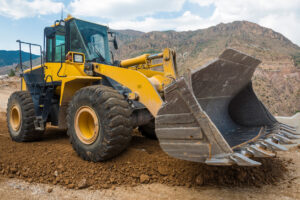
New machines offer peak performance with minimal risk of breakdowns, which is critical for tight job deadlines.
2. Warranty Protection
Most new equipment includes manufacturer warranties that reduce repair costs and downtime.
3. Access to Latest Technology
Newer models often include:
- fuel efficiency improvements
- advanced controls
- safety enhancements
4. Better Financing Terms
Lenders typically offer:
- lower interest rates
- longer terms
- lower risk structures
Looking to expand your fleet with new equipment? Check your equipment financing options and see what you qualify for
Pros of Buying Used Heavy Equipment
1. Lower Purchase Price
Used equipment is significantly more affordable, making it easier to acquire without large upfront costs.
2. Faster ROI
Because the purchase price is lower, contractors often reach profitability faster.
3. Lower Depreciation Impact
New machines lose value quickly, while used equipment has already gone through the steepest depreciation.
4. Easier Approval for Financing
Lower cost often means:
- easier approvals
- smaller loan amounts
- more flexible financing options
Want to see what used equipment financing looks like for your business?
Explore your options and get pre-qualified today.
Cost Breakdown: New vs Used Heavy Equipment for Contractors
Understanding the full cost is critical when comparing new vs used heavy equipment for contractors.
New Equipment Costs
- Higher purchase price
- Higher insurance costs
- Lower maintenance early on
Used Equipment Costs
- Lower purchase price
- Potential repair and maintenance costs
- Shorter remaining lifespan
Key Insight
If cash flow is tight, used equipment often provides a faster path to profitability. If uptime and long-term use are priorities, new equipment may be worth the higher cost.
Not sure what fits your budget? Estimate your monthly equipment payment and compare your options.
Financing New vs Used Heavy Equipment
Financing plays a major role in the new vs used heavy equipment decision.
Financing New Equipment
- Lower rates
- Longer repayment terms
- Higher total loan amount
Financing Used Equipment
- Slightly higher rates
- Shorter terms
- Lower overall cost
For many contractors, financing makes both options accessible without limiting cash flow. If you are unsure how to structure your purchase, reviewing how to finance heavy equipment can help you compare loans, leases, and other options.
Start Your Equipment Loan Application Now
When Contractors Should Buy New vs Used Equipment
Choose New Equipment If:
- You rely on the machine daily
- Downtime would cost significant money
- You want long-term ownership
- You qualify for strong financing terms
Choose Used Equipment If:
- You are growing your business
- Cash flow is limited
- You need faster ROI
- The equipment is not used full-time
Common Mistakes to Avoid
Avoid these when deciding between new vs used heavy equipment for contractors:
- Overpaying for new equipment without enough usage
- Buying used equipment without proper inspection
- Ignoring financing options
- Focusing only on price instead of total cost of ownership
How This Connects to Renting vs Buying
If you are still evaluating your options, understanding rent vs buy heavy equipment can help you decide whether ownership is the right move before choosing between new or used.
New vs Used Heavy Equipment by Type
Different types of heavy equipment have unique considerations when deciding between new and used.
- Excavators: New machines offer longer life for daily use, but lightly used units save 20–30% upfront.
- Skid Steers & Loaders: Popular for smaller contractors; used units often provide fast ROI and lower initial cost.
- Dump Trucks: High-use vehicles may justify buying new for reliability and reduced maintenance risk.
- Cranes & Lifts: Safety-critical equipment may favor new purchases due to warranties and compliance requirements.
- Concrete Trucks / Mixers: Often financed; used machines reduce upfront costs while maintaining jobsite productivity.
Tip: Match the equipment type with your usage and budget to choose the right investment.
External Considerations: Taxes and Financing Programs
Contractors may benefit from tax incentives when purchasing equipment. Programs like Section 179 can allow you to deduct equipment costs in the same year, depending on eligibility.
For more details, refer to the IRS guidelines on equipment deductions.
Conclusion: Choosing the Right Investment Strategy
Deciding between new vs used heavy equipment for contractors comes down to your business goals, cash flow, and workload.
- New equipment offers reliability and long-term value
- Used equipment provides affordability and faster returns
- Financing allows you to scale without limiting your cash flow
Ready to take the next step? Apply for heavy equipment financing and grow your fleet with confidence.
FAQ: New vs Used Heavy Equipment for Contractors
-
Is it better to buy new or used heavy equipment?
-
What is the main cost difference between new and used heavy equipment?
-
Can you finance used heavy equipment?
-
Is financing new equipment easier than used equipment?
-
How do I decide between renting, buying new, or buying used equipment?
-
What types of heavy equipment are best to buy used?
-
What are the risks of buying used heavy equipment?
-
Are there tax benefits when buying heavy equipment?
-
How does depreciation impact new vs used equipment?
-
What is the best option for new contractors: new or used equipment?